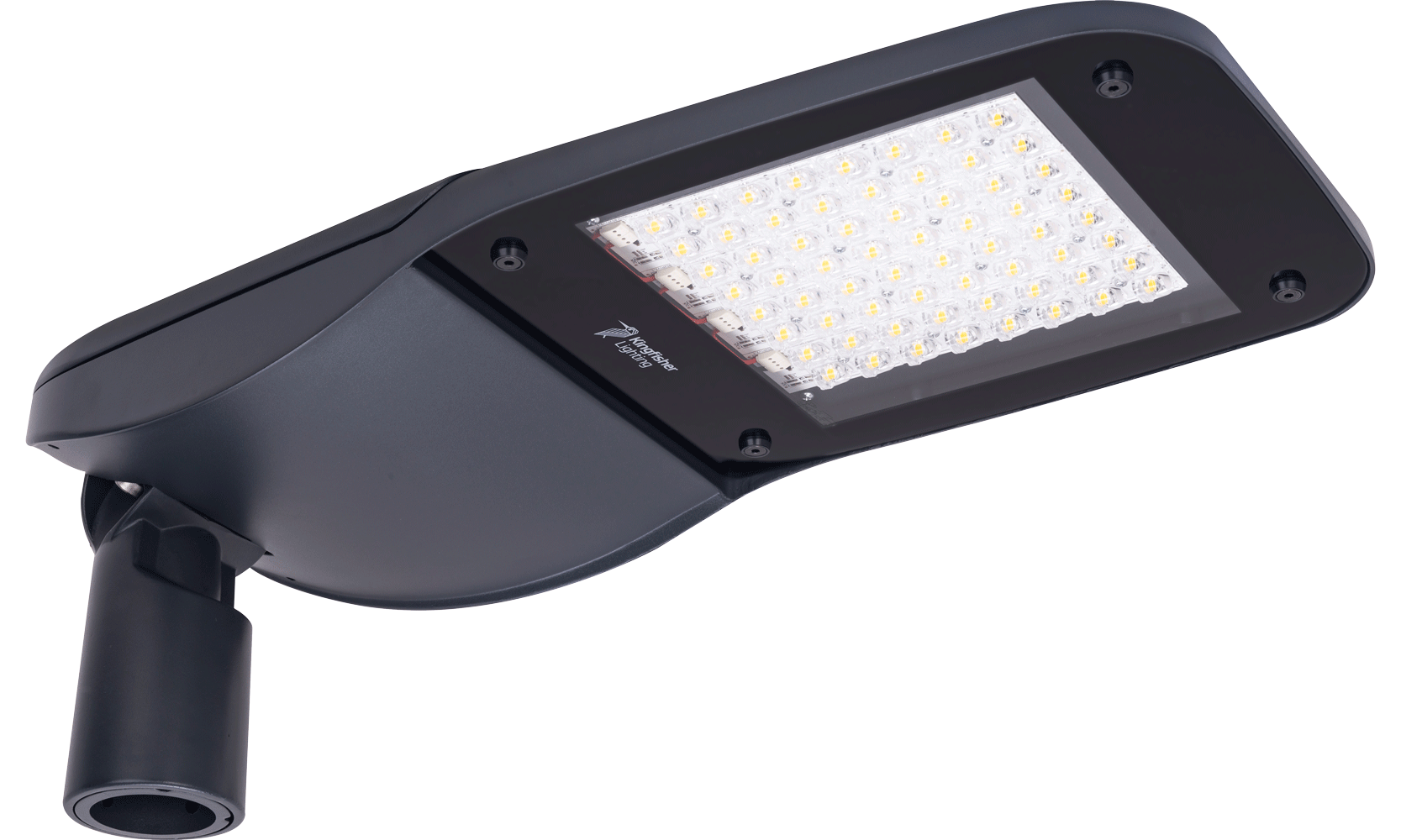
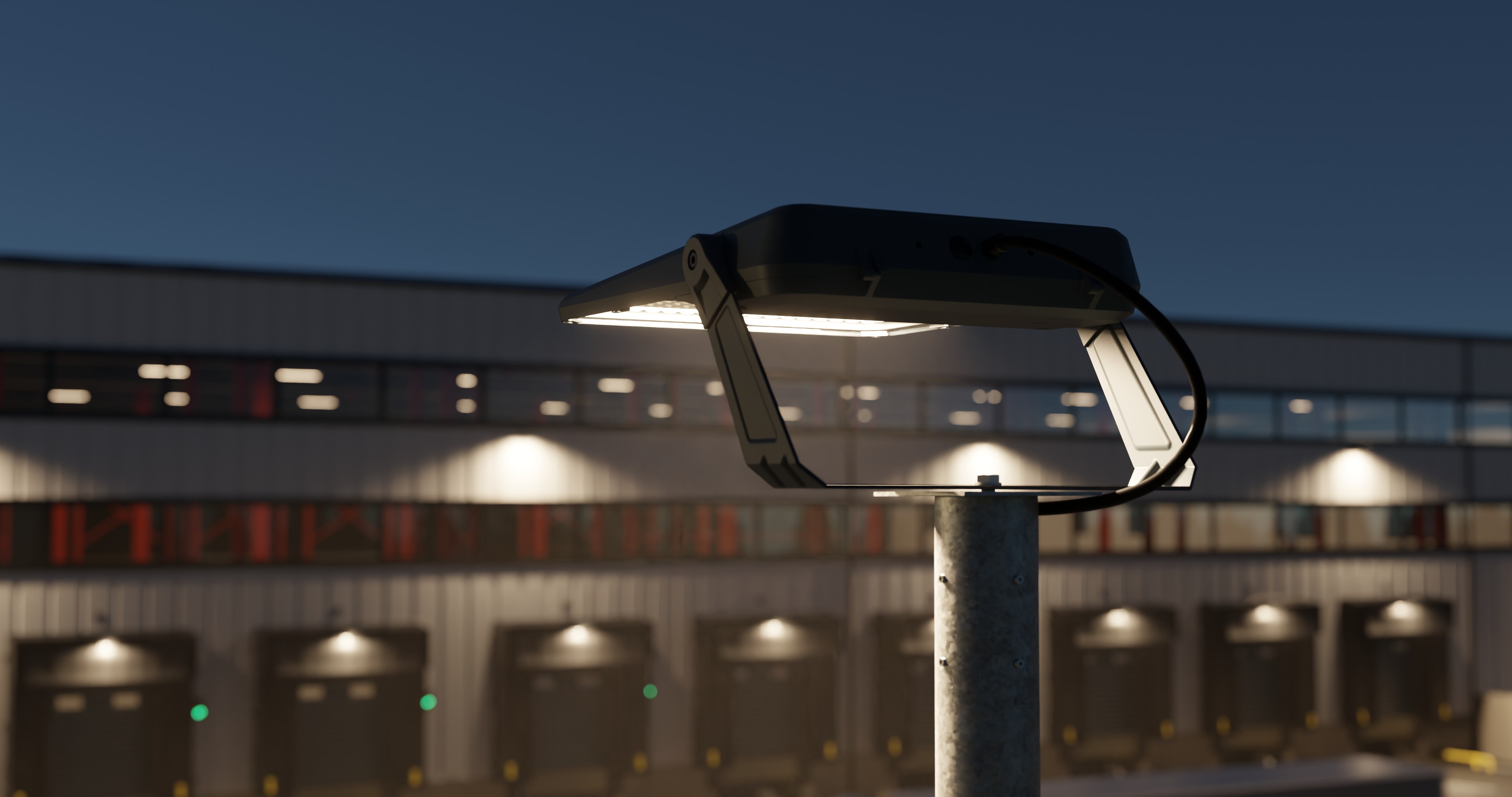
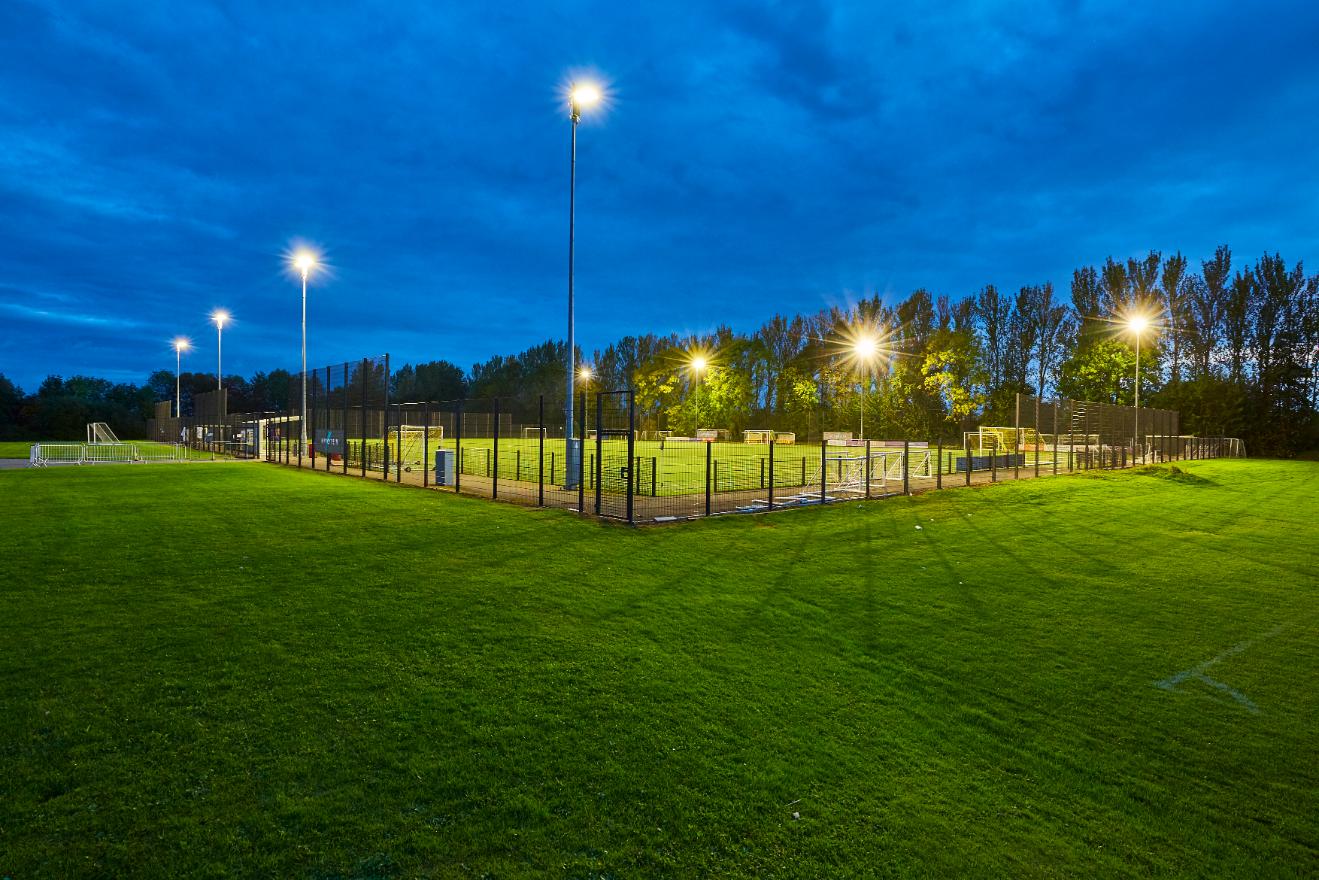
Perfecting the balance of form and function, Kingfisher's luminaires include everything from post tops to bollards, floodlights and more.
Columns and Brackets
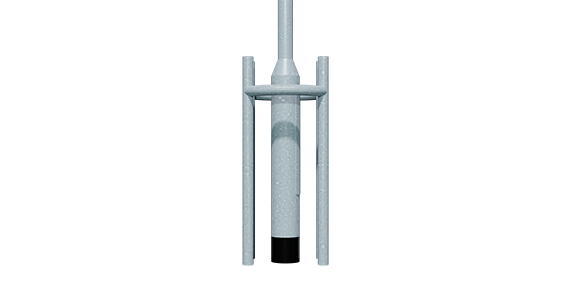
A comprehensive range of tubular, conical and hinged columns, for road & transport, car parks, residential and urban landscapes.
Lighting Accessories
Designed to cover every aspect of your project, we offer a range of add-ons including fuse cut-outs, impact kits, column guards and more.
Kingfisher Controls
Our smart control system offers a wireless solution that has been designed to not only save you time on programming but to save energy output, and of course money.
Energy efficiency is becoming an increasingly important consideration for sports clubs, schools and facility operators looking to upgrade their lighting.
During our latest England Hockey webinar, Kingfisher Lighting explored how LED sports lighting can help reduce energy consumption, improve long-term operational costs and support better return on investment.
The session covered the differences between traditional metal halide and LED systems, the role of controls, payback periods, project examples and the funding options available to clubs planning future lighting upgrades.
Why Energy Efficiency Matters for Sports Clubs
For many clubs, lighting is one of the largest energy costs on site. Rising energy prices, increased pitch usage and ageing lighting infrastructure can all place additional pressure on operating budgets.
Upgrading to LED sports lighting can help clubs:
Reduce energy consumption
Lower ongoing maintenance requirements
Improve lighting quality and uniformity
Support sustainability goals
Improve long-term value and return on investment
LED vs Traditional Metal Halide Lighting
Traditional metal halide systems typically use higher wattage fittings, require warm-up time and offer limited control. LED sports lighting provides a more efficient and flexible alternative.
Traditional metal halide: high wattage, long warm-up time, limited control and higher maintenance requirements
LED sports lighting: lower energy use, instant switching, dimming capability and longer operational life
When designed correctly, LED upgrades can reduce energy consumption while maintaining the required lighting levels for training, match play and club activity.
Understanding ROI and Payback
Return on investment is an important part of any sports lighting upgrade. Clubs need to understand not only the upfront project cost, but also the long-term savings that can be achieved through reduced energy usage and maintenance.
A simple way to understand payback is:
Annual Savings = Old Energy Cost - New Energy Cost + Maintenance Savings
Payback Period = Project Cost ÷ Annual Savings
Factors such as electricity rates, hours of use, installed load, controls and funding support can all influence the final payback period.
The Role of Controls and Dimming
Controls can significantly improve the efficiency of a sports lighting system by allowing clubs to use the right level of light for the right activity.
Examples include:
Dimming for training sessions
Match mode and training mode settings
Zoned lighting for half-pitch or third-pitch use
Scheduling and automatic switching
Remote or app-based control
Using controls effectively can help clubs avoid running full match-level lighting when lower lighting levels are suitable.
Key Takeaways from the Webinar
As energy costs continue to rise, many sports clubs are reviewing how their facilities operate and where efficiencies can be achieved. During the webinar, we explored how modern LED sports lighting can help reduce running costs while maintaining the lighting performance required for training, competition and community use.
The session highlighted several important considerations for clubs planning future lighting upgrades:
LED sports lighting can significantly reduce energy consumption compared to traditional metal halide systems.
Controls, dimming and zoning can unlock additional savings by matching lighting levels to actual pitch usage.
Return on investment calculations should include both energy savings and reduced maintenance costs.
Long-term operating costs often have a greater financial impact than the initial installation cost.
Well-designed LED systems can improve lighting quality, uniformity and player experience.
Funding and finance options may help clubs bring forward planned improvements.
Webinar Summary
The greatest benefits are achieved when energy-efficient LED floodlighting is combined with intelligent controls, helping facilities reduce energy consumption, lower maintenance requirements and maximise long-term return on investment without compromising compliance or playing standards.
For clubs considering a lighting upgrade, understanding the potential savings, available funding routes and long-term operational benefits can help build a stronger business case and support future investment decisions.
Funding Support for Sports Lighting Projects
Funding can play an important role in helping clubs move forward with lighting upgrades, particularly where projects support participation, sustainability and long-term facility improvement.
Understanding both the funding available and the potential return on investment can help clubs build a stronger case for upgrading their sports lighting.
In this dedicated England Hockey funding webinar, we look more closely at the financial support available to clubs considering facility and lighting improvements. The session explores different funding routes, how clubs can approach investment planning and how energy savings, reduced maintenance costs and long-term operating efficiencies can contribute to the overall return on investment.
It also helps clubs consider the bigger financial picture — balancing the upfront cost of an LED sports lighting upgrade against potential funding support and the savings that can be achieved throughout the life of the new system.
Pitch Together Fund: Facilities Loan Scheme
The Pitch Together Fund is a £4m social investment programme backed by Sport England.
Loan amounts: £25,000 to £300,000
Interest rate: 6% fixed
Arrangement fee: 2%
Loan term: Up to 8 years total
Repayment structure: 6-month repayment holiday followed by 7.5 years full repayment
Capacity Building Support
Business planning: Supporting long-term financial sustainability
Governance: Helping ensure club structures are appropriate
Inclusivity and access: Supporting impact plans to grow participation, usage and engagement
Sport England Movement Fund Crowdfunding
The Sport England Movement Fund can provide crowdfunding match funding for eligible not-for-profit organisations.
Aim: To get more people active, reduce inactivity and tackle inequalities
Timescales: Decisions can take up to 8 weeks
Please note: Funding availability, eligibility criteria and application timelines may change. Clubs should always review the latest guidance before applying.
How Kingfisher Lighting Can Support Your Project
Kingfisher Lighting can support sports lighting projects from early-stage planning through to technical design and delivery.
LED sports lighting can typically reduce energy consumption by 40 to 70 percent when replacing traditional metal halide systems, depending on the existing installation, usage hours and control strategy.
How do controls improve sports lighting efficiency?
Controls allow clubs to dim lighting for training, schedule usage, switch zones independently and avoid running full match lighting when it is not required.
What affects the payback period for LED sports lighting?
Payback depends on project cost, energy savings, maintenance savings, electricity rates, usage hours, controls and any available funding support.
Can LED lighting reduce maintenance costs?
Yes. LED systems have a longer operational life than traditional metal halide lamps, helping to reduce lamp replacements, maintenance visits and downtime.
Is funding available for sports lighting upgrades?
Funding options may be available for eligible clubs and organisations, including loan schemes and crowdfunding match funding. Clubs should always check the latest eligibility criteria before applying.