As autumn arrives and daylight hours begin to shorten, floodlighting quickly becomes one of the most important assets at any athletics facility.
Evening training sessions, coaching, club activities and competition schedules all become increasingly dependent on reliable, well-designed lighting to keep facilities operating safely and effectively.
That makes autumn the ideal time for clubs, facility managers and operators to review their existing lighting and make sure it is ready for the months ahead.
It’s Not Just About Lux
When assessing an athletics lighting installation, overall light levels are only part of the picture.
A successful scheme also needs to provide good uniformity across the track and surrounding activity areas, helping athletes maintain clear visibility as they move between straights, bends and field-event zones.
Poor uniformity can result in noticeably darker patches, while excessive glare or badly controlled light can create discomfort and distraction for athletes, coaches and officials.
Good lighting design therefore considers a combination of light levels, uniformity, glare control, optical performance and the specific requirements of each area within the facility.
Check the Whole Facility
Athletics facilities can include a wide range of disciplines and activity areas, each with its own lighting considerations.
Alongside the track itself, clubs should consider the visibility provided around areas such as:
- Long jump and triple jump pits
- High jump areas
- Pole vault areas
- Throwing areas
- Track bends and straights
- Surrounding circulation and activity zones
This is particularly important as natural daylight disappears earlier in the day and facilities become increasingly reliant on artificial lighting.
Autumn is also a useful opportunity to identify practical warning signs within an existing installation, including failed luminaires, inconsistent colour, noticeable dark areas or fittings that appear to have reduced in output.
What Should You Look Out For?
As facilities begin using their floodlighting for longer periods, problems within an existing installation may become more noticeable.
Failed or Underperforming Luminaires
Check whether all luminaires are operating correctly and whether any fittings appear noticeably dimmer than others.
Dark Areas
Look for sections of the track or field-event areas where illumination appears significantly lower than the surrounding space.
Poor Uniformity
Lighting should remain consistent as athletes move around bends, straights and between different activity zones.
Uncomfortable Glare
Badly controlled light can create discomfort and distraction for athletes, coaches and officials, particularly when luminaires are incorrectly aimed or positioned.
Don’t Forget the Infrastructure
The luminaires are only one part of an exterior lighting system.
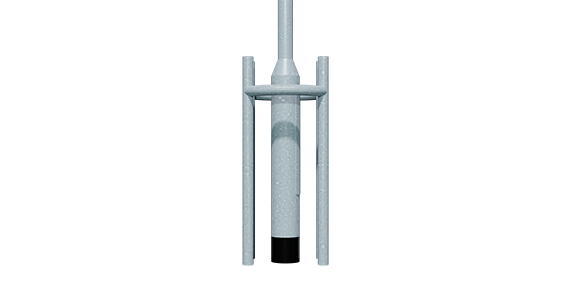
Lighting columns and masts are continuously exposed to the elements, so their condition should also form part of a facility’s regular maintenance programme.
As wetter and more challenging weather approaches, identifying signs of deterioration early can help facilities plan maintenance before problems become more significant.
Where necessary, professional column testing can provide a clearer understanding of structural condition and help clubs make informed decisions about future maintenance, repair or replacement.
Make Better Use of Lighting Controls
The arrival of darker evenings also means longer operating hours and, potentially, higher energy consumption.
However, not every part of an athletics facility necessarily needs to operate at full output throughout every session.
Modern lighting controls can allow different areas of a facility to be managed independently.
Depending on the installation, this can include:
- Lighting zones
- Dimming
- Programmed operating schedules
- Independent control of different areas
- Reduced output when areas are not in use
These strategies can help clubs use lighting only where and when it is required.
For facilities still using older lighting technology, increased winter usage can also highlight the true cost of running an ageing installation.
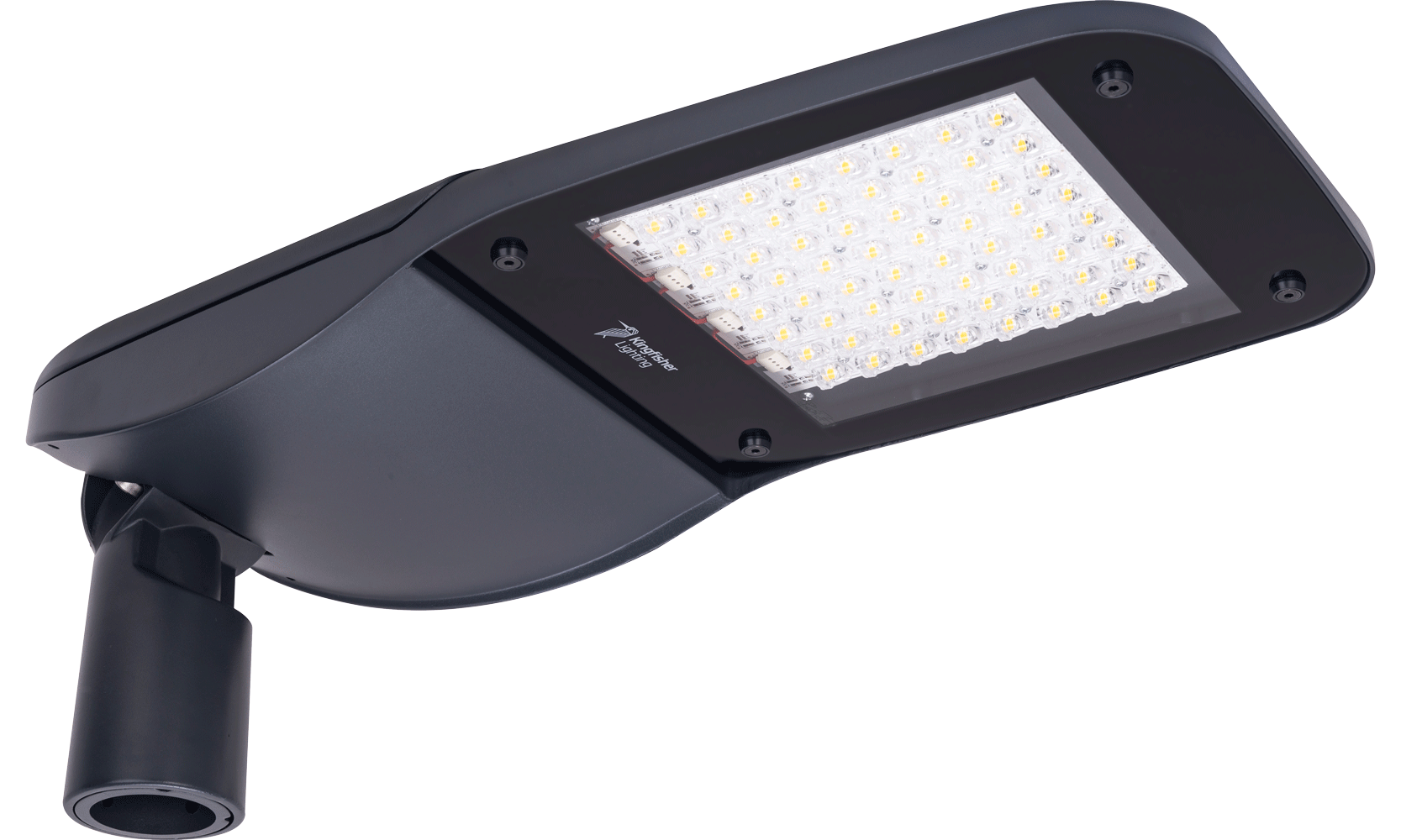
Reviewing energy consumption during this period can help clubs understand whether upgrading to modern LED lighting and controls could provide worthwhile long-term savings.
Your Autumn Athletics Lighting Check
Before the darker months fully set in, consider asking:
| Area to Check |
What to Look For |
| Luminaires |
Are all luminaires operating correctly? |
| Track Lighting |
Are there noticeably darker areas around the track? |
| Uniformity |
Is illumination consistent across bends and straights? |
| Field Events |
Are field-event areas adequately illuminated? |
| Glare |
Are athletes or coaches experiencing uncomfortable glare? |
| Columns and Masts |
Are lighting columns and masts in good condition? |
| Lighting Controls |
Are timers and lighting controls programmed correctly for autumn and winter? |
| Energy Consumption |
Has energy consumption increased significantly? |
| Professional Assessment |
When was the facility’s lighting last professionally assessed? |
Benefits of an Autumn Lighting Review
Identify Maintenance Requirements
Reviewing the installation before winter can help identify failed or deteriorating equipment before it begins affecting training sessions or competitions.
Improve Lighting Performance
Checking light levels, uniformity and glare can help highlight areas where lighting performance may no longer meet the requirements of the facility.
Reduce Energy Consumption
Reviewing operating schedules, controls and existing lighting technology can reveal opportunities to reduce unnecessary energy use.
Plan Future Upgrades
Understanding the condition and performance of the existing installation allows clubs to plan LED upgrades, controls improvements or infrastructure work before problems become urgent.
Keep Facilities Operational
A proactive approach can help athletics facilities remain safe, efficient and ready for training throughout autumn and winter.
Support Long-Term Asset Management
Regularly reviewing luminaires, controls, columns and masts can support better long-term maintenance planning and investment decisions.
Planning for the Season Ahead
Waiting until a floodlight fails during a busy winter training session is rarely the best way to discover that an installation needs attention.
Using autumn to assess lighting performance gives facilities an opportunity to identify maintenance requirements, review energy consumption and plan future improvements before they become urgent.
Whether that means replacing individual components, introducing smarter controls, assessing existing columns or considering a full LED upgrade, taking a proactive approach can help athletics facilities remain safe, efficient and ready for training throughout the darker months.
Discover Kingfisher Sport
Kingfisher Sport works with athletics facilities to provide specialist exterior and sports lighting expertise, including lighting design, site surveys, LED upgrades, lighting controls, column testing and technical support.
By reviewing your facility now, you can help ensure athletes stay on track throughout autumn, winter and beyond.
Speak to the Kingfisher Sport team to discuss your athletics facility, arrange an assessment or explore options for upgrading your sports lighting installation.