As winter draws to a close and projects move from concept into delivery, early infrastructure decisions begin to take shape.
With budgets confirmed and outdoor works resuming, lighting specified at this stage can influence installation complexity, programme timelines and long-term performance.
Traditionally, exterior schemes default to grid connection. However, solar lighting is increasingly being evaluated at the planning stage as a viable alternative for a wide range of UK projects.
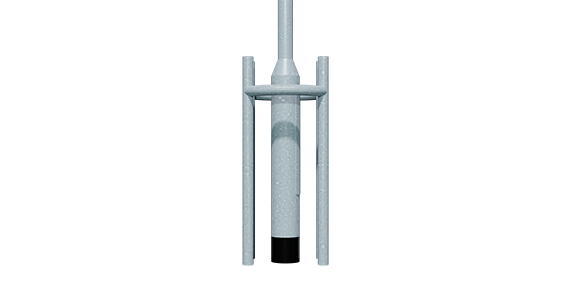
 Modern solar lighting installation within a UK public realm environment.
The Rise of Solar Lighting in the UK
Across the UK, solar lighting is now being considered alongside traditional grid-connected systems during early design phases. Advances in photovoltaic performance, battery longevity and intelligent control technology have significantly improved reliability, repositioning solar as a credible infrastructure solution rather than a niche option.
This shift is influenced by rising energy costs, grid connection complexity and extended approval timelines. At the same time, sustainability targets are shaping specification decisions across both public and private sectors, encouraging a broader evaluation of off-grid alternatives.
Key Considerations When Planning Solar Lighting
Solar lighting should be assessed early in the planning process rather than introduced as a late-stage adjustment. Early evaluation allows project teams to compare infrastructure approaches before installation begins.
- Infrastructure Approach
Grid-connected lighting relies on access to mains power, which may involve trenching, cabling and coordination with utility providers.
- Project Programme
Power connection timelines and associated groundworks can influence delivery schedules.
- Long-Term Operation
Grid systems require ongoing electricity supply. Solar lighting operates independently of mains power once installed.
- Environmental Objectives
Where carbon reduction or energy efficiency targets form part of the brief, off-grid lighting can support broader sustainability ambitions.
Solar lighting forms part of a broader infrastructure toolkit. When evaluated at the planning stage, it can provide a reliable and self-contained solution for suitable UK environments.
Bringing This Into Practice
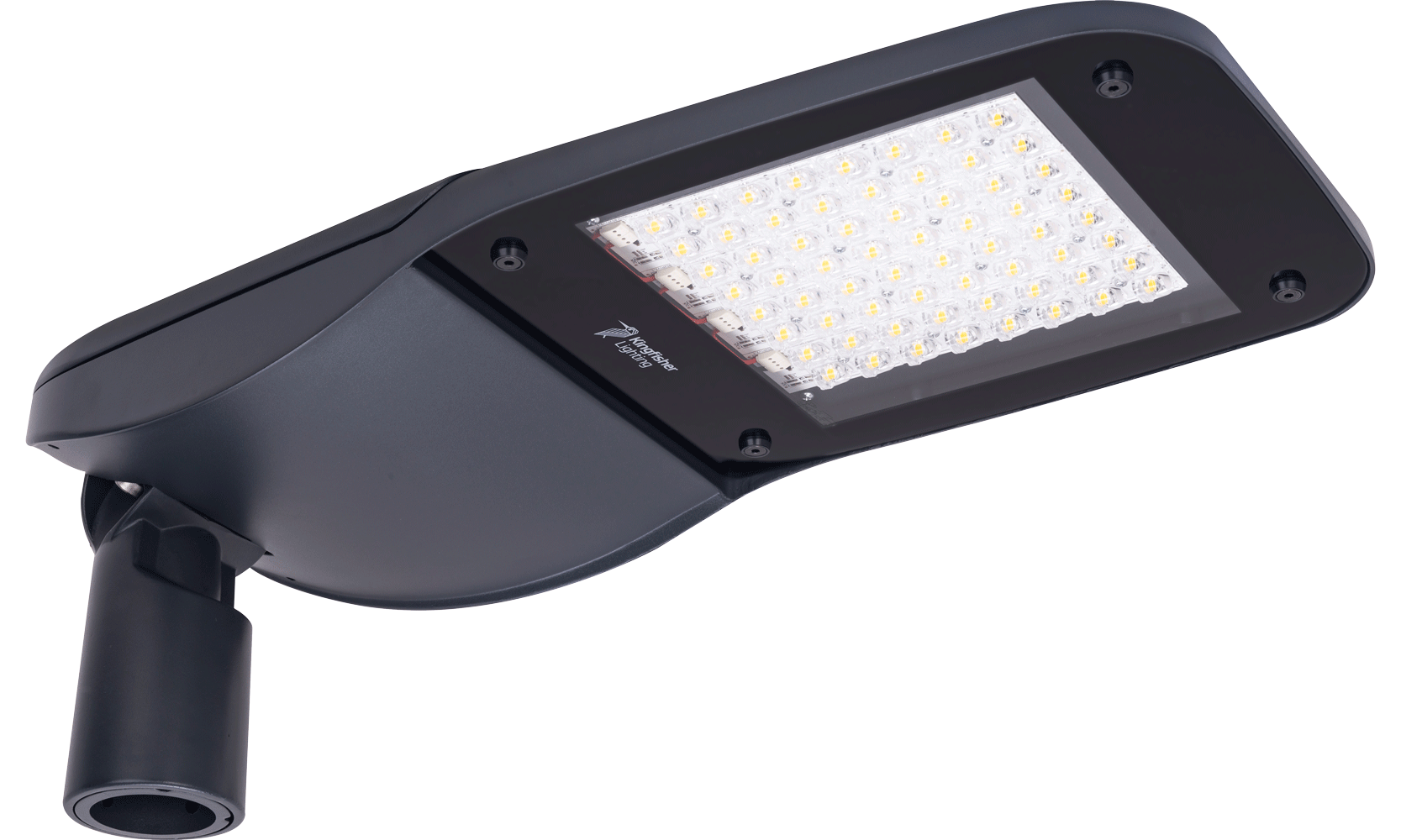
Kingfisher Lighting’s CERO solar range has been developed to support projects where grid independence and long-term performance are key considerations. Designed for UK conditions, CERO integrates high-efficiency solar technology with proven LED performance in a self-contained solution suited to public realm, pathway and exterior infrastructure applications.
By considering solar lighting early in the design process, solutions such as CERO can be evaluated alongside traditional systems to determine the most appropriate infrastructure approach for each project.