




The Tea Factory
|
Kingfisher Lighting has delivered a high-quality external lighting scheme at The Tea Factory in Digbeth, Birmingham, supporting the transformation of the historic former Typhoo Tea site into the BBC’s new Midlands headquarters. Working with main contractor BAM, the project combines architectural lighting with high-performance functionality to enhance public realm spaces. Revitalising an Iconic Birmingham SiteThe redevelopment of The Tea Factory required a carefully coordinated lighting approach that could meet multiple demands. As a high-profile city centre scheme, the external environment needed to be safe, welcoming and visually distinctive, while also delivering long-term energy efficiency and ease of maintenance. Kingfisher Lighting was tasked with supplying a solution that would integrate seamlessly with the architectural design, highlight key features and provide reliable illumination across pedestrian and public areas. Balancing Aesthetics, Performance and DurabilityTo meet the requirements of the project, Kingfisher Lighting specified a combination of AEC and Arcluce luminaires, delivering both functional and architectural lighting across the site. AEC ITALO luminaires were used to illuminate key routes and open areas, providing efficient, low-glare lighting with outputs of up to 19,410 luminaire lumens and efficacy exceeding 160 lm/W. Their robust construction, IP66 and IK09 ratings and programmable DALI drivers support long-term performance within the demanding urban environment. For architectural detailing, Arcluce STONE and Arcluce KRION luminaires were selected. The STONE in-ground range was used to define pathways and subtly highlight architectural features. Offering up to 190 luminaire lumens, multiple beam distributions and a drive-over rating of up to 4,000kg, the range was well suited to busy public spaces. KRION recessed luminaires provided higher-output illumination for larger features. Delivering up to 8,050 luminaire lumens and efficacy up to 104 lm/W, they create strong visual impact while maintaining a clean, integrated finish. Integrated Controls for Smarter OperationA key element of the scheme was the integration of Platform lighting controls, enabling a flexible and future-ready installation. Using Bluetooth NLC technology, the wireless system removes the need for complex additional cabling while allowing the lighting to be controlled, monitored and adjusted remotely. Through a cloud-based platform, users can tailor lighting levels, schedules and energy usage, helping maintain efficient performance across the site. Solving Key Project ChallengesThe project required a solution that could deliver architectural enhancement, compliance, durability and energy efficiency within a busy city centre environment. By combining robust, high-performance luminaires with advanced wireless controls, Kingfisher Lighting delivered a scheme that reduces maintenance requirements, improves energy performance and enhances the overall experience of the space. Collaborative Delivery
The strong working relationship between Kingfisher Lighting and BAM, built through previous collaboration, played a key role in the smooth delivery of the project. Supporting Sustainable Urban RegenerationThe Tea Factory scheme reflects Kingfisher Lighting’s commitment to supporting regeneration projects with innovative, energy-efficient solutions. By integrating durable LED luminaires with intelligent control systems, the installation delivers long-term sustainability, reduced operational costs and enhanced public space usability. As the BBC prepares to occupy its new Midlands headquarters, the lighting helps establish The Tea Factory as a vibrant, safe and visually engaging environment for the city. Key Outcomes
|
Project Contact
For project enquiries, specifications or site support across the Midlands, get in touch.
Project Images


|


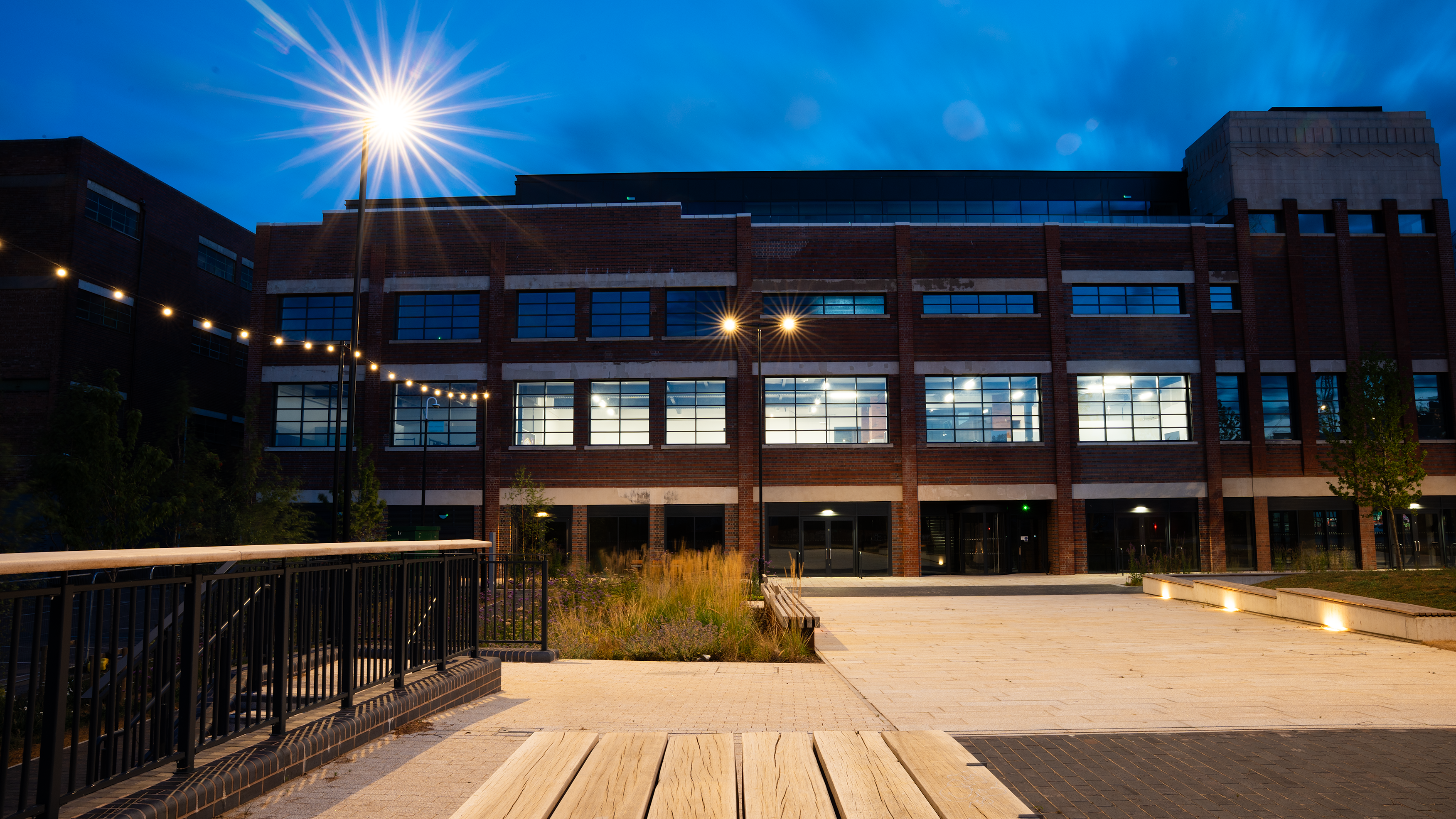
Kingfisher Lighting has delivered a high-quality external lighting scheme at The Tea Factory in Digbeth, Birmingham, supporting the transformation of the historic former Typhoo Tea site into the BBC’s new Midlands headquarters.
Working with main contractor BAM, the project combines architectural lighting with high-performance functionality to enhance public realm spaces.
Revitalising an Iconic Birmingham Site
The redevelopment of The Tea Factory required a carefully coordinated lighting approach that could meet multiple demands. As a high-profile city centre scheme, the external environment needed to be safe, welcoming and visually distinctive, while also delivering long-term energy efficiency and ease of maintenance.
Kingfisher Lighting was tasked with supplying a solution that would integrate seamlessly with the architectural design, highlight key features and provide reliable illumination across pedestrian and public areas.
Balancing Aesthetics, Performance and Durability
To meet the requirements of the project, Kingfisher Lighting specified a combination of AEC and Arcluce luminaires, delivering both functional and architectural lighting across the site.
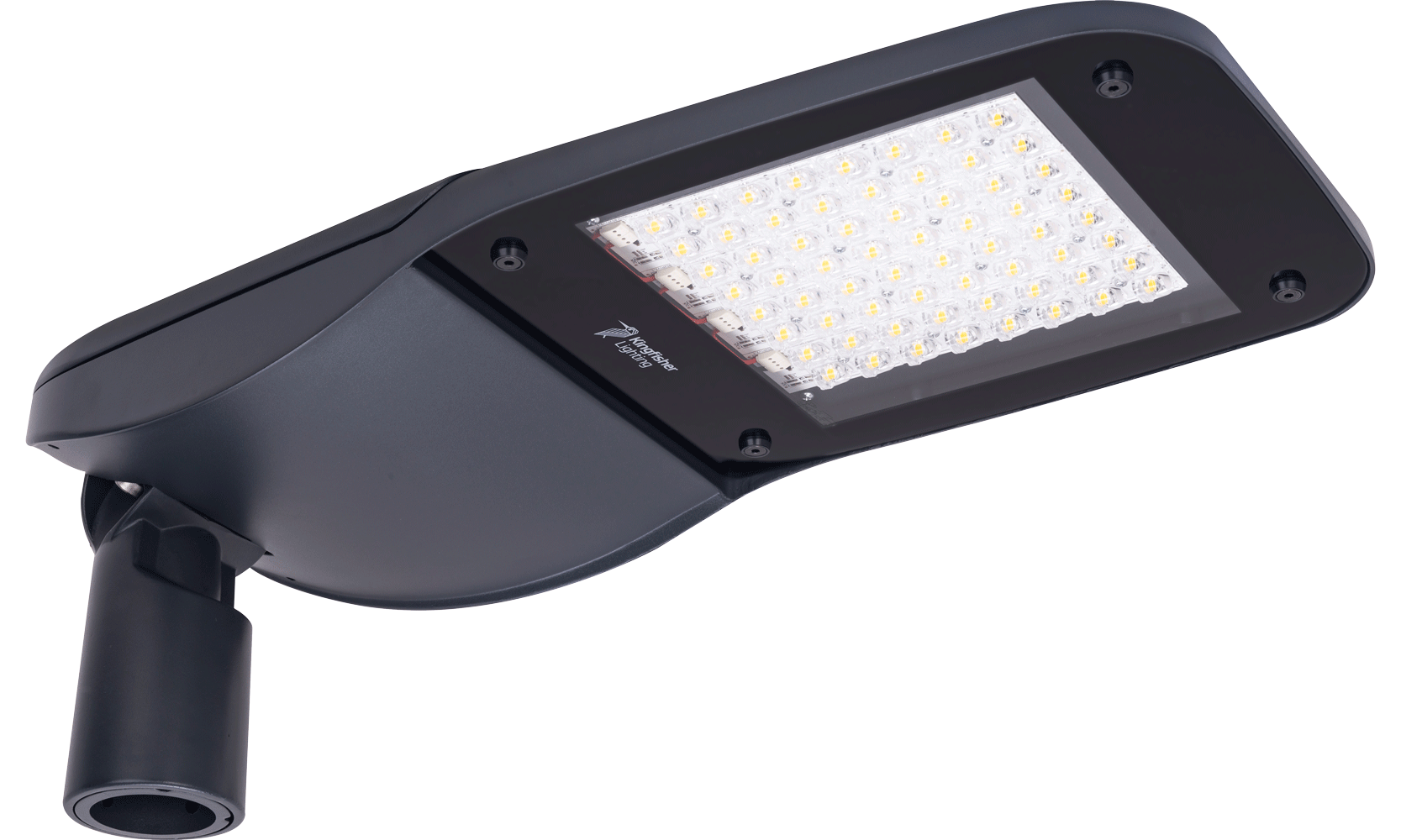
AEC ITALO luminaires were used to illuminate key routes and open areas, providing efficient, low-glare lighting with outputs of up to 19,410 luminaire lumens and efficacy exceeding 160 lm/W.
Their robust construction, IP66 and IK09 ratings and programmable DALI drivers support long-term performance within the demanding urban environment.
For architectural detailing, Arcluce STONE and Arcluce KRION luminaires were selected.
The STONE in-ground range was used to define pathways and subtly highlight architectural features. Offering up to 190 luminaire lumens, multiple beam distributions and a drive-over rating of up to 4,000kg, the range was well suited to busy public spaces.
KRION recessed luminaires provided higher-output illumination for larger features. Delivering up to 8,050 luminaire lumens and efficacy up to 104 lm/W, they create strong visual impact while maintaining a clean, integrated finish.
Integrated Controls for Smarter Operation
A key element of the scheme was the integration of Platform lighting controls, enabling a flexible and future-ready installation.
Using Bluetooth NLC technology, the wireless system removes the need for complex additional cabling while allowing the lighting to be controlled, monitored and adjusted remotely. Through a cloud-based platform, users can tailor lighting levels, schedules and energy usage, helping maintain efficient performance across the site.
Solving Key Project Challenges
The project required a solution that could deliver architectural enhancement, compliance, durability and energy efficiency within a busy city centre environment.
By combining robust, high-performance luminaires with advanced wireless controls, Kingfisher Lighting delivered a scheme that reduces maintenance requirements, improves energy performance and enhances the overall experience of the space.
Collaborative Delivery
“Kingfisher Lighting provided a reliable and well-coordinated solution for this project. Their understanding of both the technical requirements and the architectural intent ensured the lighting enhances the space while remaining practical, efficient and easy to manage.”
“This project is a great example of how we work collaboratively to deliver lighting schemes that meet both technical and aesthetic goals. By combining architectural products with high-performance street lighting and smart controls, we’ve created a solution that is both visually impactful and highly efficient.”
The strong working relationship between Kingfisher Lighting and BAM, built through previous collaboration, played a key role in the smooth delivery of the project.
Supporting Sustainable Urban Regeneration
The Tea Factory scheme reflects Kingfisher Lighting’s commitment to supporting regeneration projects with innovative, energy-efficient solutions. By integrating durable LED luminaires with intelligent control systems, the installation delivers long-term sustainability, reduced operational costs and enhanced public space usability.
As the BBC prepares to occupy its new Midlands headquarters, the lighting helps establish The Tea Factory as a vibrant, safe and visually engaging environment for the city.
Key Outcomes
- Coordinated lighting across pedestrian routes and public areas
- Architectural illumination integrated into the redevelopment
- Efficient, low-glare lighting supporting visual comfort
- Durable luminaires suited to a busy urban environment
- Wireless lighting controls supporting flexible operation
- Reduced maintenance requirements and operational costs
